

Unmanned Aerial Vehicles (UAVs) have transformed modern warfare, but one category has gained particular attention in recent years: loitering munition drones, often referred to as kamikaze drones. These systems combine the surveillance capabilities of drones with the destructive power of guided missiles.
Instead of returning after a mission, loitering munition drones are designed to find, track, and destroy targets by crashing into them with an explosive payload. Because they can remain airborne while searching for targets, they provide militaries with a flexible and relatively low-cost precision strike capability.
In this article, we’ll explore what loitering munition drones are, how they work, their advantages and disadvantages, and how they are used in modern conflicts.
If you want to learn about other UAV categories, read our guide on the types of military drones used in modern warfare.
What Are Loitering Munition Drones?
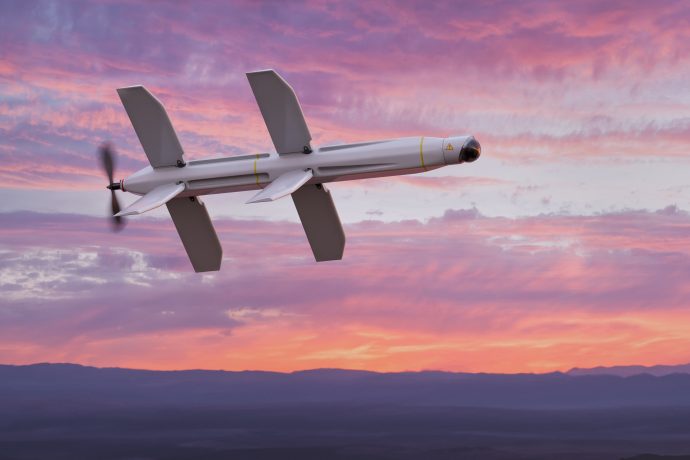
Loitering munitions are unmanned weapons systems that can hover or circle in an area before striking a target.
Unlike traditional missiles, which are launched directly at a known target, these drones are capable of searching for targets during flight. Operators can guide them using real-time video or allow them to follow pre-programmed routes.
Typical features include:
Small or medium-sized UAV design
Built-in explosive warhead
Real-time camera feed for target identification
Autonomous or remote control navigation
One-way mission (the drone is destroyed on impact)
Because of this hybrid design, loitering munitions are sometimes described as a cross between a drone and a guided missile.
How Loitering Munition Drones Work
The basic operation of a loitering munition drone follows several steps.
1. Launch
The drone is launched from a portable launcher, vehicle platform, or aircraft. Some systems use tube launchers, while others take off like conventional drones.
2. Loitering Phase
Once airborne, the drone flies toward the target area and begins loitering, meaning it circles above the area while searching for targets.
Operators can monitor the live video feed from the drone’s camera to identify potential targets such as vehicles, artillery systems, or radar installations.
3. Target Identification
After confirming a target, the operator can manually guide the drone toward it or allow the onboard navigation system to perform the attack.
4. Terminal Strike
The drone dives toward the target and detonates its explosive payload on impact, destroying both the drone and the target.
Common Types of Loitering Munition Drones
There are several different types of loitering munitions depending on size and mission.
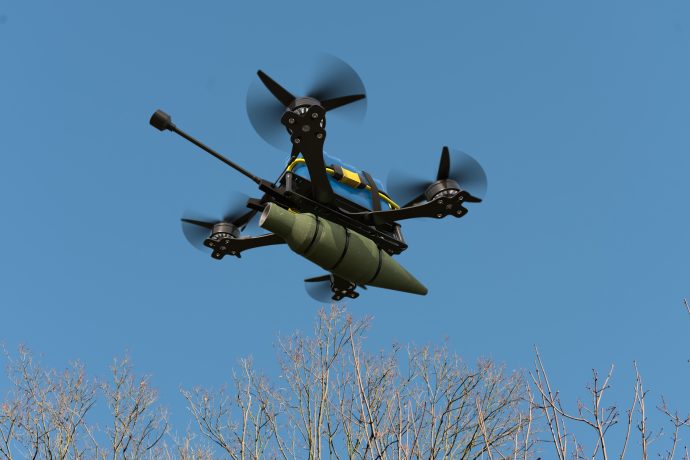
Small Tactical Loitering Drones
These are portable systems used by infantry units.
Characteristics:
Lightweight and easy to deploy
Range of several kilometers
Short endurance
Example use cases include targeting enemy vehicles, sniper positions, or small fortifications.
Medium Loitering Strike Drones
Medium-size systems are designed for tactical battlefield strikes.
Characteristics:
Larger explosive payload
Longer flight endurance
Ability to strike armored vehicles or artillery
These drones are commonly used to destroy tanks, missile launchers, and radar systems.
Long-Range Strategic Loitering Drones
These systems are capable of long-distance strikes.
Characteristics:
Hundreds or even thousands of kilometers of range
Autonomous navigation systems
Larger explosive payloads
They are often used to strike military infrastructure, airfields, or industrial targets far from the battlefield.
Advantages of Loitering Munition Drones
Loitering munitions offer several important advantages compared to traditional weapons.
Precision Targeting
Because operators can view the target in real time, these drones allow very precise strikes with minimal collateral damage.
Lower Cost Than Missiles
Loitering munitions are usually much cheaper than cruise missiles or guided bombs, making them suitable for large-scale deployment.
Flexibility
Unlike missiles, which require a fixed target before launch, loitering drones can search for targets dynamically during the mission.
Reduced Risk for Personnel
These systems allow militaries to attack targets without putting pilots or soldiers directly in danger.
Limitations and Challenges
Despite their advantages, loitering munition drones also have several limitations.
Vulnerability to Air Defenses
Many loitering drones fly relatively slowly and can be shot down by air defense systems or interceptor drones.
Limited Payload
Compared to larger missiles or bombs, these drones usually carry smaller explosive warheads.
Electronic Warfare Threats
Most loitering drones rely on radio communication and GPS navigation, which can be disrupted by electronic warfare systems.
Some modern drones are now using fibre-optic control systems to avoid electronic warfare interference.
The Growing Role of Loitering Drones in Modern Warfare
Recent conflicts have demonstrated how powerful loitering munition drones can be. They are increasingly used for:
destroying armored vehicles
targeting air defense systems
attacking supply depots and infrastructure
conducting precision strikes against high-value targets
Their relatively low cost and high precision make them a key component of modern drone warfare strategies.
Many military analysts expect loitering drones to play an even larger role in the future as new technologies such as AI targeting, swarm coordination, and improved navigation systems are integrated into these platforms.
What’s Next for Kamikaze Drones?
The next generation of loitering munitions will likely include:
AI-assisted target recognition
longer flight endurance
faster jet-powered variants
drone swarm attack capabilities
As these technologies develop, loitering munition drones are expected to become one of the most influential weapons in modern unmanned warfare.


