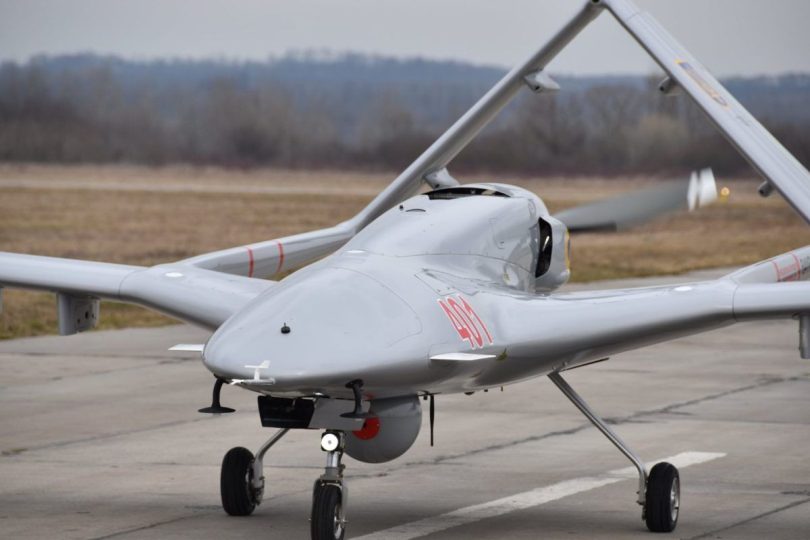

Artificial intelligence is rapidly transforming modern warfare, and military drones are at the center of this shift. While traditional UAVs rely heavily on human operators, today’s systems are increasingly equipped with AI-powered software that enhances navigation, targeting, and mission execution.
From reconnaissance missions to precision strikes, AI is making drones smarter, faster, and more effective in complex environments.
In this article, we’ll explore how AI military drones work, what level of autonomy exists today, and how this technology is shaping the future of unmanned warfare.
What Are AI Military Drones?
AI military drones are unmanned aerial vehicles that use artificial intelligence to perform tasks with reduced human input.
Instead of relying entirely on manual control, these drones can:
analyze sensor data in real time
recognize objects and targets
adjust flight paths automatically
assist operators in decision-making
It’s important to note that most systems today are AI-assisted rather than fully autonomous, meaning a human operator is still involved—especially when it comes to critical decisions.
If you want a broader overview of different UAV categories, you can read our guide on the types of military drones used in modern warfare.
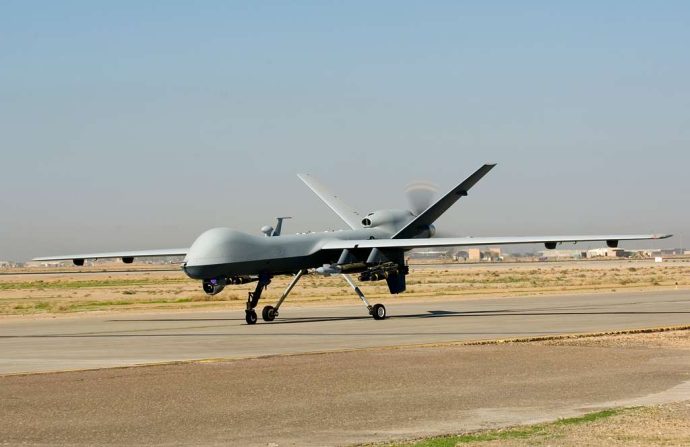
How AI Works in Military Drones
AI in drones is typically powered by a combination of machine learning, computer vision, and onboard sensors.
1. Computer Vision and Target Recognition
AI systems can analyze live video feeds to identify:
vehicles
buildings
equipment
movement patterns
This allows drones to assist operators by highlighting potential targets automatically.
2. Autonomous Navigation
AI enables drones to fly in complex environments without constant human input.
This includes:
obstacle avoidance
terrain mapping
GPS-denied navigation
This is especially important in modern conflicts where GPS jamming is common.
3. Decision Support Systems
Rather than replacing human operators, AI often acts as a decision-support tool.
For example, a drone might:
suggest optimal flight paths
identify threats
prioritize targets
The operator then makes the final decision.
4. Swarm Coordination
One of the most advanced uses of AI is in drone swarms, where multiple UAVs coordinate together.
AI allows drones to:
communicate with each other
distribute tasks
adapt to changing conditions
This enables large groups of drones to operate as a single intelligent system.
AI in Loitering Munition Drones
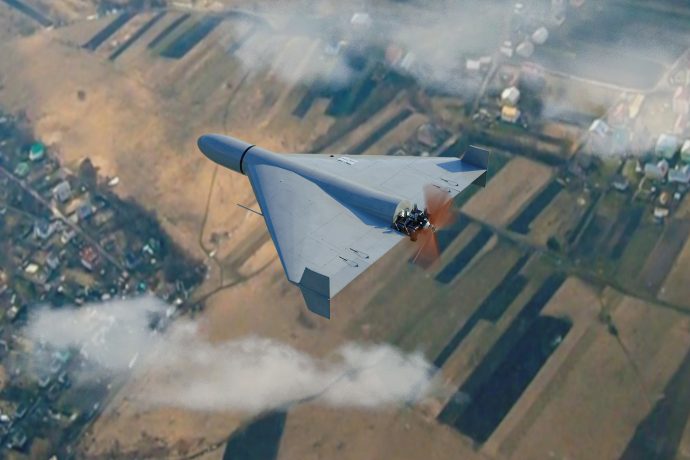
AI is increasingly being integrated into loitering munition systems, also known as kamikaze drones.
These drones can:
search for targets autonomously
track moving objects
adjust their attack path in real time
Learn more in our full guide on loitering munition (kamikaze) drones.
AI enhances these systems by improving target identification and precision, while still keeping a human operator involved in most cases.
Advantages of AI Military Drones
Increased Efficiency
AI allows drones to process large amounts of data quickly, reducing the workload on human operators.
Improved Accuracy
Computer vision systems help identify targets more precisely, improving mission success rates.
Faster Decision-Making
AI can analyze situations in real time, allowing for quicker responses in dynamic environments.
Operation in Challenging Environments
AI-powered drones can operate in:
GPS-denied zones
low-visibility conditions
complex urban environments
Limitations and Challenges
Despite their advantages, AI military drones still face several challenges.
Human Oversight Requirements
Most systems require human approval for critical actions, especially in combat scenarios.
Electronic Warfare
AI systems still depend on sensors and communication systems that can be disrupted.
Ethical and Legal Concerns
The use of AI in military systems raises questions about:
autonomous weapons
accountability
rules of engagement
The Future of Autonomous UAVs
AI military drones are expected to become even more advanced in the coming years.
Future developments may include:
higher levels of autonomy
improved target recognition
faster onboard processing
integration with other military systems
While fully autonomous drones are still limited, the trend is clearly moving toward increasing automation and AI-assisted decision-making.
Conclusion
AI is already playing a major role in modern military drone operations. While fully autonomous drones are still rare, AI-assisted UAVs are widely used today to improve navigation, targeting, and mission efficiency.
As technology continues to evolve, AI will likely become one of the most important components of future drone warfare.


