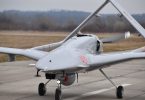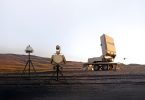

The war in Ukraine has become one of the most important real-world examples of how drones are transforming modern warfare. From small consumer drones to advanced military UAV systems, both sides have integrated drones into nearly every aspect of battlefield operations.
What makes this conflict unique is not just the scale of drone usage, but the speed of innovation and adaptation. Technologies that were experimental just a few years ago are now being deployed daily in combat.
In this article, we explore how drones are used in Ukraine, the key technologies involved, and what this conflict reveals about the future of drone warfare.
The Role of Drones in Modern Warfare
Drones in Ukraine are used for a wide range of missions, including:
- reconnaissance and surveillance
- artillery targeting and correction
- precision strikes
- logistics and supply delivery
- electronic warfare support
Unlike traditional military conflicts, drones are now present at nearly every level of combat, from frontline infantry units to long-range strategic operations.
👉 If you want to understand the different categories of UAVs, read our guide on the types of military drones used in modern warfare.
FPV Drones: The Most Widely Used Weapon
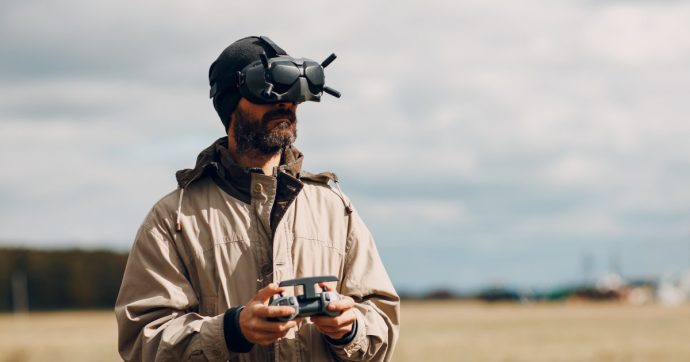
One of the most significant developments in Ukraine is the widespread use of first-person view (FPV) drones.
These drones are:
- low-cost (often under €1,000)
- manually controlled using goggles
- modified to carry explosives
FPV drones are used for:
- attacking tanks and armored vehicles
- targeting infantry
- striking fortified positions
Their affordability and effectiveness have made them one of the most important weapons on the battlefield.
Loitering Munition Drones
Loitering munition drones, also known as kamikaze drones, play a major role in the conflict.
These drones:
- fly toward a target area
- loiter while searching for targets
- dive and explode on impact
They are used for both tactical and strategic strikes, including attacks on infrastructure and military installations.
👉 Learn more in our detailed guide on loitering munition drones.
Fibre-Optic Drones: Countering Electronic Warfare
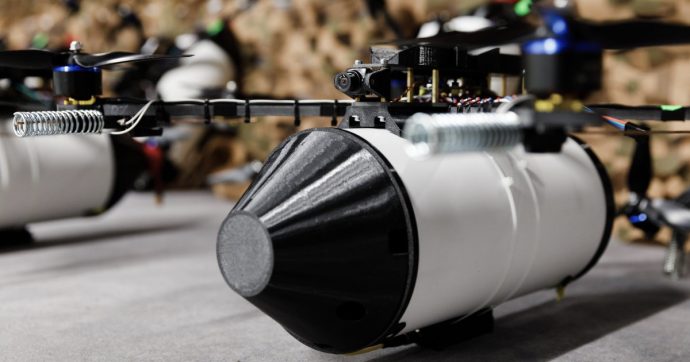
A newer innovation seen in Ukraine is the use of fibre-optic controlled drones.
Unlike traditional drones that rely on radio signals, these systems use a physical cable connection between the drone and the operator.
This allows them to:
- operate without signal interference
- resist electronic warfare and jamming
- maintain stable communication in contested environments
These drones are becoming increasingly important as electronic warfare intensifies.
👉 Learn more in our detailed guide on fibre-optic drones.
AI and Autonomous Features
Artificial intelligence is also playing a growing role in drone warfare.
AI-assisted drones can:
- track targets automatically
- stabilize flight in difficult conditions
- assist operators with decision-making
👉 Read more in our article on AI military drones and autonomous UAVs.
While most systems still require human control, the level of autonomy is steadily increasing.
Drone Swarms and Mass Production
Another key trend is the shift toward mass-produced drones and swarm tactics.
Instead of relying on a few expensive systems, both sides deploy:
- hundreds or thousands of small drones
- coordinated attacks using multiple UAVs
- rapid replacement of lost equipment
This approach allows militaries to overwhelm defenses and maintain constant pressure on the battlefield.
Counter-Drone Systems
As drone usage increases, so does the need to stop them.
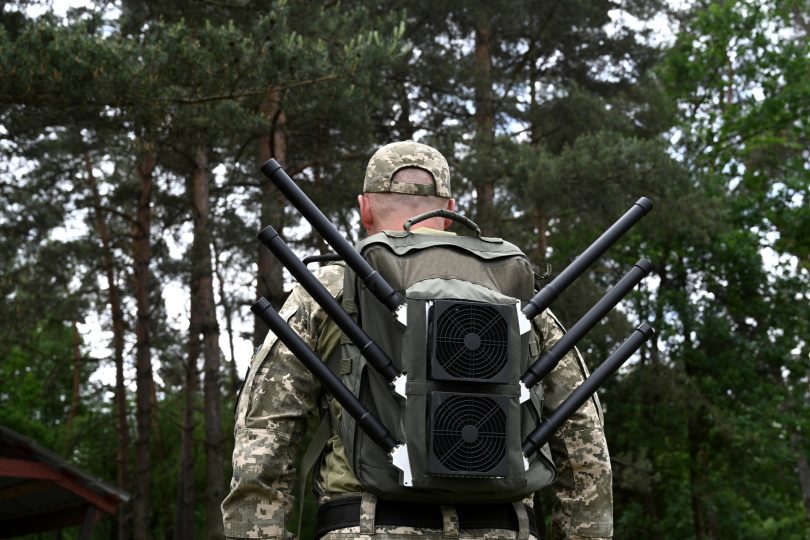
Counter-drone technologies used in Ukraine include:
- electronic jamming systems
- interceptor drones
- anti-aircraft weapons
- portable defense systems
This has led to a new type of warfare: drone vs. drone combat.
Key Lessons from the Ukraine War
The conflict in Ukraine provides several important insights into the future of warfare.
1. Drones Are Now Essential
Drones are no longer optional tools—they are a core component of modern military operations.
2. Cost Matters More Than Ever
Cheap drones can be just as effective as expensive systems when used at scale.
3. Innovation Happens Fast
New technologies are developed and deployed in weeks or months instead of years.
4. Electronic Warfare Is Critical
The ability to disrupt or protect communication systems is a major factor in drone effectiveness.
The Future of Drone Warfare
The lessons learned in Ukraine are likely to influence military strategies worldwide.
Future developments may include:
- more autonomous drones
- advanced AI targeting systems
- larger drone swarms
- improved counter-drone technologies
As drone technology continues to evolve, conflicts like Ukraine are shaping the next generation of unmanned warfare.
Conclusion
The war in Ukraine has demonstrated how drones can transform modern combat. From FPV drones to loitering munitions and AI-assisted systems, UAVs are now a central part of military operations.
This conflict serves as a real-world case study of how rapidly drone technology is evolving—and how it will shape the future of warfare.