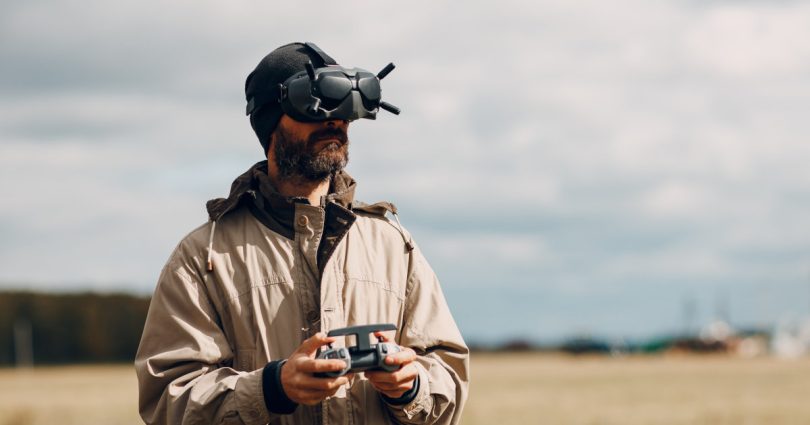

FPV goggles, also known as First Person View goggles, allow pilots to see the flight and the surrounding environment directly through the drone’s onboard camera—much like sitting in the cockpit of the aircraft itself.
Instead of relying on a phone screen or a small monitor attached to a controller, FPV goggles place the live video feed right in front of your eyes. Modern FPV systems use either analog video or digital HD transmission, each with its own advantages depending on how and where you fly.
Today’s FPV goggles can do far more than just display video. Many support DVR recording, head tracking, HDMI inputs, adjustable focus (diopters), and integration with advanced camera systems.
Why FPV Goggles Matter
The popularity of FPV goggles comes down to two major benefits.
1. Better control and safer flying
Flying by line-of-sight or by looking at a small screen makes judging distance and obstacles difficult. FPV goggles give you a pilot’s-eye view, making it far easier to avoid trees, power lines, buildings, and terrain.
2. A far more immersive experience
FPV goggles place you inside the flight. This immersion improves precision, reaction time, and overall enjoyment—especially when flying freestyle, racing, or capturing cinematic footage.
Before FPV goggles became common, complex shots such as fly-throughs, chases, and fast panoramic passes were extremely difficult. Today, FPV goggles make these maneuvers accessible even to intermediate pilots.
Analog vs Digital FPV (Quick Overview)
Before choosing goggles, it’s important to understand the difference:
Analog FPV
Lower cost
Extremely low latency
Popular for racing and freestyle
Image quality is lower but very responsive
Digital FPV (DJI, Walksnail)
Much clearer image
Better penetration and range (depending on system)
Higher cost
Slightly higher latency (varies by system)
Your goggles must match (or support) the video system you plan to use.
Top FPV Goggles to Consider in 2026
1. DJI Goggles 3
Best premium digital FPV goggles (DJI ecosystem)
DJI Goggles 3 are DJI’s latest flagship FPV goggles, designed for pilots using DJI’s newest digital FPV systems, including O3 and O4 Air Units, DJI Avata 2, and other compatible DJI drones. They feature dual high-resolution Micro-OLED displays with improved brightness, contrast, and smooth high-frame-rate video for an exceptionally clear and immersive flight experience.
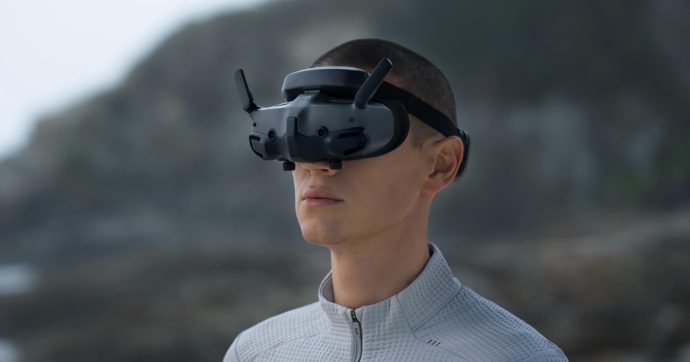
Compared to previous generations, Goggles 3 offer better visual clarity, lower perceived latency, and improved ergonomics for extended flying sessions. The refined design makes them comfortable to wear for long flights while delivering a highly polished, consumer-friendly experience. As with other DJI goggles, they perform best when used entirely within DJI’s digital ecosystem.
Best for:
Cinematic FPV pilots
DJI Avata 2 / O3 / O4 users
Pilots who want the best possible image quality in DJI’s FPV lineup
Buy on Amazon: DJI Goggles 3
2. Walksnail Avatar HD Goggles X
Best DJI alternative for digital FPV
Walksnail (Avatar) has become one of the strongest competitors to DJI in the digital FPV space. The Avatar HD Goggles X feature high-resolution displays, smooth high-FPS video, and solid penetration.
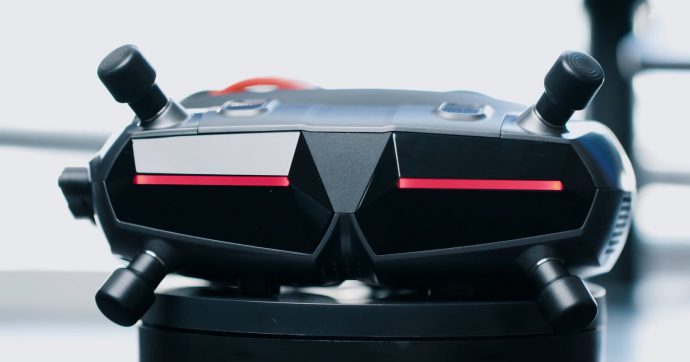
They support the Walksnail ecosystem and are often chosen by pilots who want digital FPV without being locked into DJI hardware.
Best for:
Digital FPV without DJI
High frame-rate freestyle flying
Buy on Amazon: Walksnail Avatar HD Goggles X
3. Skyzone SKY04X Pro
Best analog FPV goggles with upgrade potential
Analog FPV is far from dead, and Skyzone SKY04X Pro remains one of the best analog goggles on the market. They feature OLED displays, excellent receivers, and HDMI input—allowing you to add digital systems later.
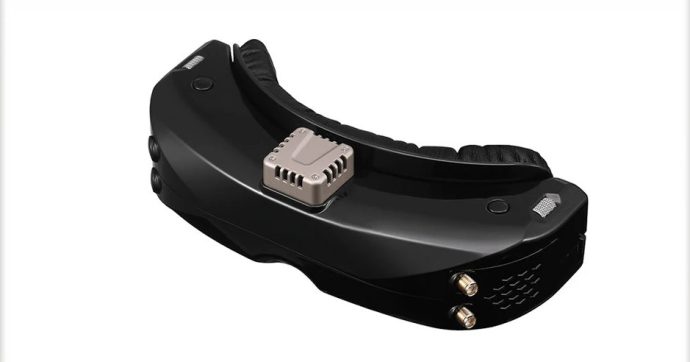
These goggles are extremely popular with racers and pilots who fly multiple quads.
Best for:
Analog FPV pilots
Racing and freestyle
Mixed analog/digital setups
Buy on Amazon: Skyzone SKY04X Pro
Features to Consider Before Buying FPV Goggles
Size and comfort
Larger goggles block out external light better and often provide a larger field of view. Smaller goggles are lighter and more portable. Comfort becomes critical during long flying sessions.
Weight
Heavy goggles can cause neck and face fatigue. Look for a balance between durability and weight.
IPD and diopter adjustment
Interpupillary distance (IPD) and focus adjustment are essential, especially if you wear glasses. Goggles with built-in diopters reduce eye strain significantly.
Ecosystem compatibility
Always check whether the goggles support your video system (DJI, Walksnail, or analog). Some goggles cannot be adapted later.
DVR and outputs
Built-in recording is useful for reviewing flights or capturing footage. HDMI input/output allows future upgrades.
Not Sure What to Buy Yet?
Ask yourself these questions:
Do I fly DJI digital, non-DJI digital, or analog?
Do I race or fly freestyle, or do I focus on cinematic shots?
Do I want a closed ecosystem that “just works,” or flexibility?
Quick recommendations:
DJI pilots → DJI Goggles 3
- Digital without DJI → Walksnail Avatar
Budget or analog-heavy → Skyzone SKY04X Pro
Pros and Cons of FPV Goggles
Pros
Immersive first-person flight
Improved control and precision
Safer navigation
Better overall flying skills
Cons
Can be expensive
Require charging and setup
Some eye/neck fatigue over long sessions
You lose awareness of your surroundings while wearing them
FPV goggles are one of the most transformative upgrades you can make to your drone setup. Whether you fly for fun, racing, or cinematic footage, the right goggles will dramatically improve both your performance and enjoyment.


